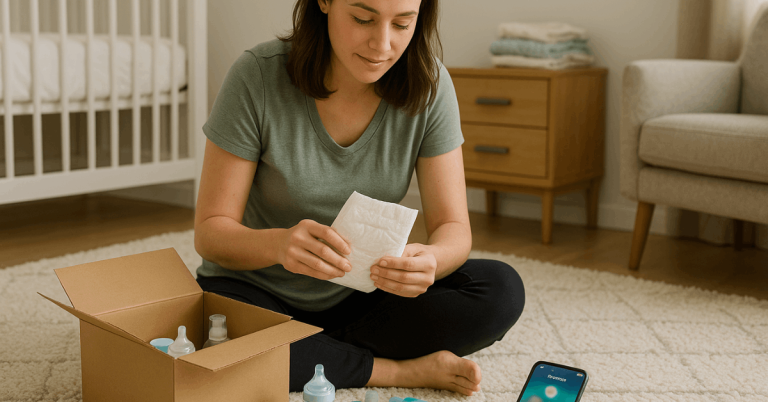
Across the first year, costs stack up quickly, so every frictionless saving matters. Free Pampers Diaper and Wipe Samples cut trial-and-error spend while helping you confirm fit, absorbency, and skin comfort before committing to bulk buys.
As of 2025, the most recent U.S. government benchmark still puts the cost to raise a child (birth–17) at $233,610 for a child born in 2015, underscoring why early savings strategies are worth the effort.
The Numbers That Drive Your Budget
Peer-reviewed research pegs an adequate diaper supply at roughly $18 per week (~$936 per year), while an American Academy of Pediatrics (AAP) consumer guide frames the first-year disposable total closer to ~$1,000 at about 3,000 diapers priced near $0.30 each.
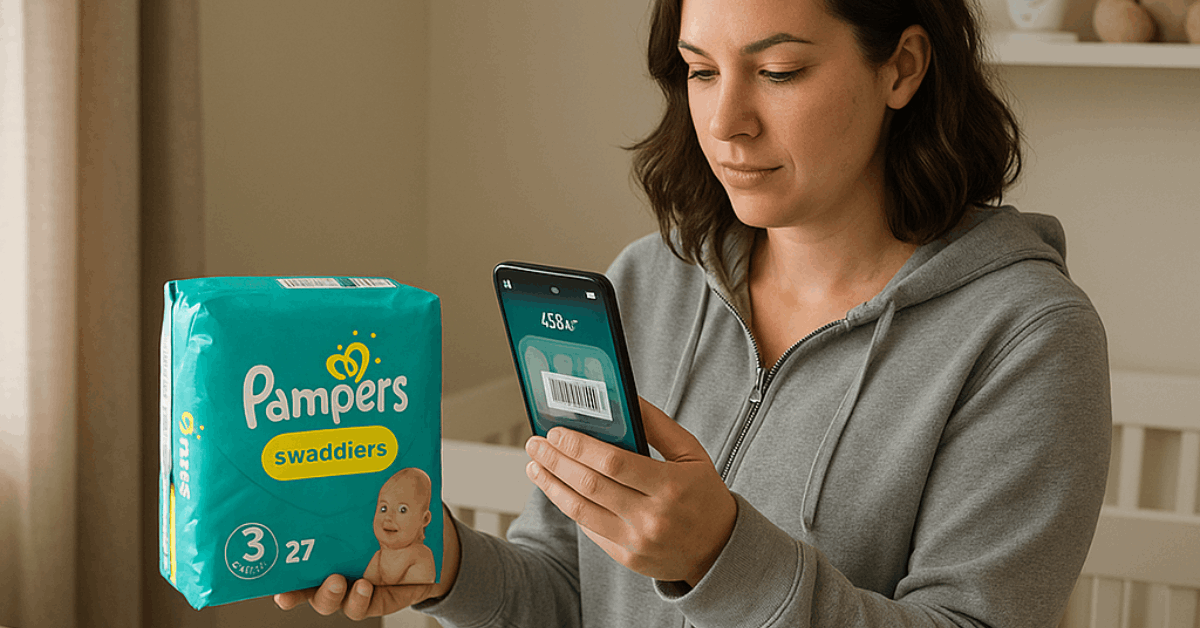
Frequency varies, yet newborns typically produce at least 5–6 wet diapers daily once feeding is established.
Diaper need remains common across the United States, with a national nonprofit network reporting persistent access gaps that sample programs help relieve.
Claim Free Pampers Diaper and Wipe Samples Today
Smart sampling reduces waste and steers you toward a reliable brand–size combo faster. The routes below prioritize official channels and low-effort wins; combine several to increase your hit rate without paying shipping or sharing sensitive data.
Join Pampers Club and Track Offers
Enrollment takes minutes and unlocks recurring rewards tied to valid in-pack codes on diapers and wipes.
The Pampers Club app issues “Pampers Cash” when you scan codes; published examples include $10 off after 10 diaper scans, with wipes earning smaller increments.
App notifications also surface exclusive promos, milestone bonuses, and occasional Pampers coupons redeemable at major retailers.
Watch Seasonal Promotions and Social Announcements
Brand campaigns frequently cluster around product launches, holidays, and baby fairs.
Monitoring Pampers’ regional pages and verified social channels helps you catch limited-quantity drops or full-price-rebate events early; Brazil, for example, has hosted “experimente grátis” cashback-style promotions run through official Procter & Gamble portals.
Leverage Retail Partners and Registries
Large retailers periodically bundle gift-card credits or ship trial assortments via a baby registry welcome box.
Registries from global platforms (e.g., mass merchants and e-commerce marketplaces) often rotate diaper–wipes samples, which slot neatly into first-month testing plans without adding cost.
When a brand sample is unavailable, registry coupons still stack with store promos for meaningful savings.
Add Community Channels and Light Hustles
Parents’ groups share active links for free diaper samples, verify what’s legit, and flag expiring offers.
Low-lift earn-and-burn tools, cashback apps for diapers and retailer receipt scanners, can turn weekly purchases into credits that offset future packs.
Sampling periods also occasionally include Pampers sample box mailers tied to product feedback or short surveys.
Feeding Costs
Feeding plans shape monthly spending and what gear you actually need. Insurance in several countries may cover a breast pump, reducing upfront outlay for lactating parents.
Where formula fits your plan, safe mixing and realistic intake ranges keep purchases accurate and avoid waste. The table summarizes typical total daily formula volumes to help right-size orders.
| Age (months) | Typical total formula per day |
| 0–1 | ~16–24 ounces |
| 2–3 | ~24–32 ounces |
| 4–6 | ~28–32 ounces |
| 7–9 | ~30–32 ounces |
| 10–12 | ~24–30 ounces as solids increase |
Diapering Strategies That Actually Cut Spend
Rotating sizes during overlap weeks prevents waste when babies jump between weights, and trialing store brands can reveal nearly identical performance at a lower price. Stash a month’s supply when bulk diaper deals hit, but avoid over-stocking newborn sizes that babies outgrow quickly.
Cloth remains viable for households comfortable with laundering; secondhand stashes from local buy–sell groups can trim the initial outlay substantially.
To keep automation simple, set one recurring order for daytime staples and a second, slower cadence for overnights—an approach that maximizes diaper subscription savings without filling closets unnecessarily.
Big-Ticket Line Items to Budget
Hospital delivery costs swing widely by state and care pathway, which is why early calls to your insurer matter. Analyses of commercial claims show ~$8,300 averages in lower-cost states versus ~$20,000 in high-cost states for vaginal delivery, with cesarean births typically higher; out-of-pocket exposure depends on plan design and network choices.
Child care dominates many first-year budgets. Recent national pricing snapshots place average weekly U.S. daycare near $343, family-care centers at a similar level, and nannies materially higher; market rates shift by metro and role scope. Families comparing share care, part-time coverage, or extended-hour help should model both posted weekly costs and taxes to reflect the true annual figure.
Medical Visits and What Insurance Often Covers
Preventive care schedules are predictable, enabling precise line-item planning for copays and transit. U.S. public-health guidance notes six well-baby visits before age one (after a 3–5-day newborn check), with additional visits in the second year; Medicaid and many private plans typically cover these as preventive care.
Scheduling ahead helps you align vaccines, growth checks, and any lactation or feeding questions without incurring separate sick-visit charges.
Cloth vs. Disposable: Quick Cost Snapshot
Choice depends on time, water/energy pricing, daycare rules, and skin response. Disposable totals cluster around the lower four figures, while cloth requires a larger upfront kit with lower run-rate outlays.
The table offers a conservative, literature-based range to pressure-test your plan.
| Option | Year-one typical outlay | Notes / sources |
| Disposable | ~$840–$1,000 | AAP consumer guidance and price-per-diaper math around $0.28–$0.33. |
| Cloth | ~$500–$1,500 | Range reflects kit types from prefolds to all-in-ones; resale lowers net. |
Quick Safety Checks When Chasing Freebies
Scammy pages imitate brands, request payments, or capture personal data aggressively. Fast verification avoids wasted time and identity risk while keeping your household budget focused on essentials.
- Confirm the domain is an official Pampers or P&G site; avoid third-party forms that ask for payment.
- Skip “shipping-only” offers; legitimate brand programs don’t charge to send samples.
- Apply once per household per campaign to avoid disqualification in randomized draws.
- Watch enrollment windows; limited campaigns close as allocations run out.
- Prefer app notifications and retailer registry perks over unverified links shared virally.
Micro-Plan: Start Today
Begin by securing Free Pampers Diaper and Wipe Samples through the brand app, then add a registry box and one community channel to diversify sources. Track what fits and which sizes prevent blowouts, then commit to the most cost-efficient subscription that meets your baby’s skin and sleep needs.
Budget fixed items first, delivery, child care, and preventive visits, and treat diapers, wipes, clothing, and gear as flexible categories where promos, resale, and loaners can absorb price shocks.
When funds are tight, consult national or local diaper-bank directories and hospital social-work teams for assistance programs that cover essentials without stigma.
Conclusion
Early, low-effort wins, official rewards, registry kits, and verified promos, de-risk purchases and stretch each dollar during the most intense growth months.
Combining samples with targeted buying tactics keeps comfort high and waste low while your budget handles bigger line items like delivery and child care.
Consistent attention to authorized channels and preventive care timetables turns a chaotic first year into a tractable plan built on verified numbers and dependable supplies.